
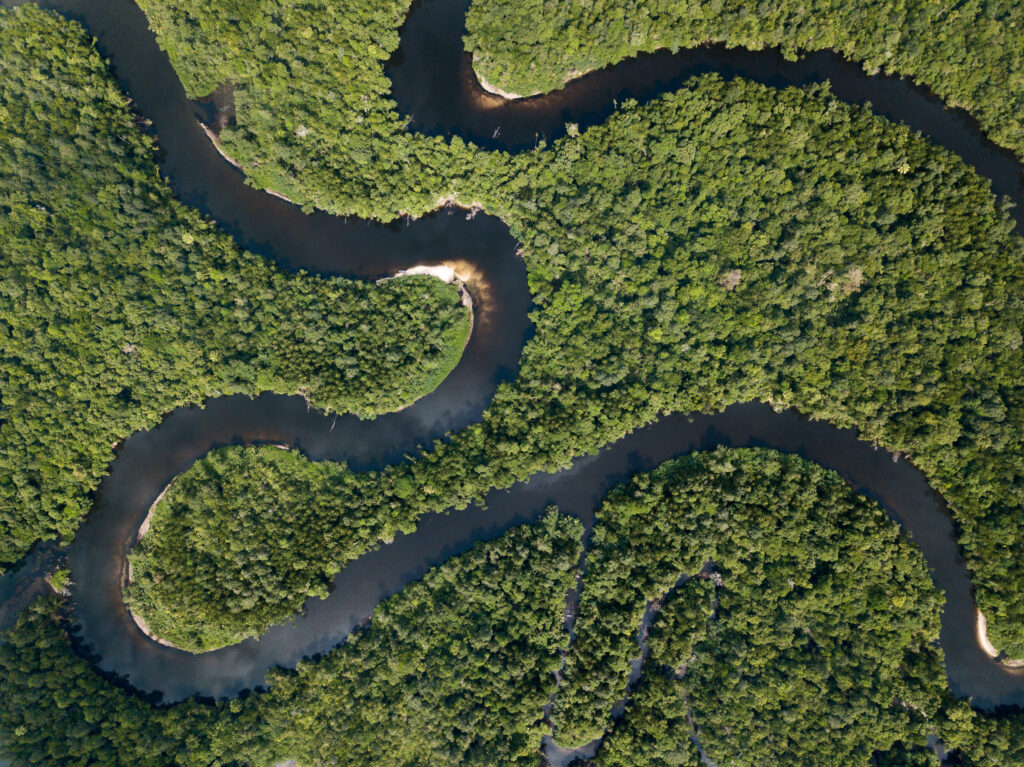
Cambodia’s protected-area network includes national parks, wildlife sanctuaries, protected landscapes, multiple-use areas and other designations. For travellers, the name alone does not tell you whether a site has marked trails, regular transport or visitor facilities.
Begin with the experience
Choose the landscape and activity you want, then identify a practical gateway. The Cardamom Mountains suit multi-day rainforest and river journeys; Mondulkiri combines highland scenery with conservation experiences; Ratanakiri opens routes toward waterfalls and Virachey; wetlands and dry forests provide important birding areas.
National park does not mean easy access
Some protected areas welcome established community trips, while others require advance arrangements, local guides or permission. Boundaries, zones, fees and access arrangements can change. Confirm with a recognised community, park office or experienced operator instead of relying only on an old map.
Useful starting points
- Cardamom landscapes: choose one gateway such as Chi Phat or a carefully researched forest lodge.
- Virachey National Park: arrange guided routes from Ratanakiri rather than arriving expecting an independent trail.
- Kirirom and Chambok: practical introductions to pine forest, walking and community tourism closer to Phnom Penh.
- Kep National Park: a compact forested hill landscape near the coast.
- Eastern wildlife sanctuaries: visit only through appropriate conservation or community arrangements.
Before entering
- Confirm whether a ranger or local guide is required.
- Ask about road, trail and river conditions.
- Carry water, weather protection and offline contact details.
- Never remove plants, animals, stones or archaeological material.
- Keep drones grounded unless explicit permission has been obtained.
Useful reading
Ministry of Environment: protected-area information · Ministry of Tourism: Virachey community ecotourism