
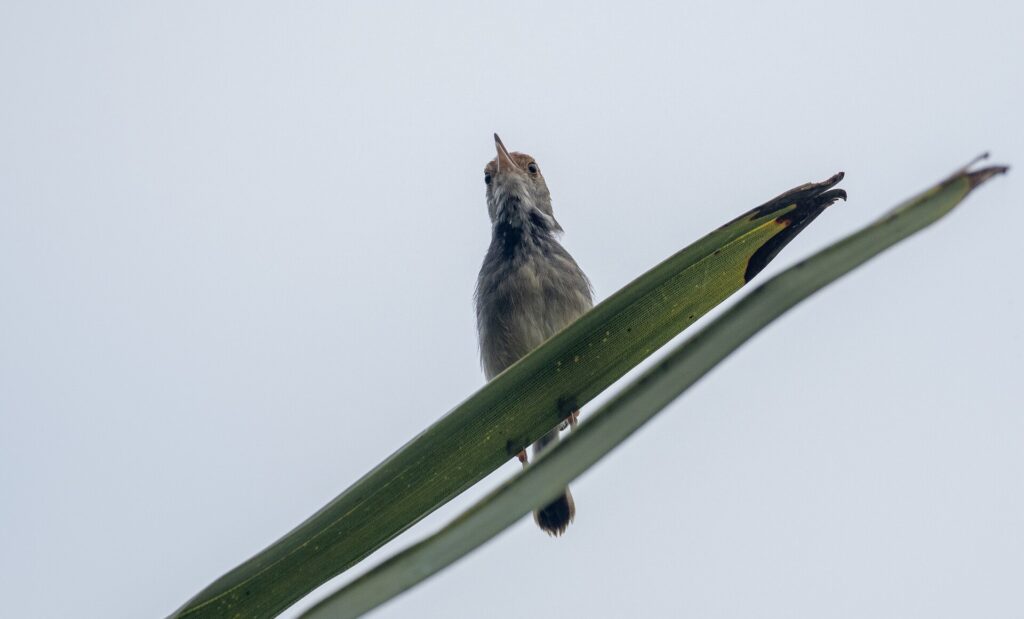
Cambodia’s wetlands, flooded forests and northern dry forests make birdwatching one of the country’s most rewarding conservation-linked experiences. A specialist guide improves both identification and responsible access.
Three strong starting points
Prek Toal
A major waterbird area within the Tonlé Sap Biosphere Reserve. Access, colonies and boat conditions vary with water levels, so arrange the trip with current local guidance.
Thmat Boey
A community-based destination in northern dry forest associated with conservation of giant and white-shouldered ibis. It requires advance arrangements and usually deserves an overnight stay.
Ang Trapeang Thmor
A large wetland in northwest Cambodia known for varied birdlife and seasonal sarus crane viewing. Current conditions and target species should be checked before travelling.
Why use a guide?
Good guides understand seasonal movement, safe viewing distances, community agreements and sensitive locations. Their work can also connect tourism income with habitat protection and local employment.
Birding etiquette
- Never approach nests or roosts for a photograph.
- Keep call playback limited and guide-led.
- Stay within agreed paths and viewing areas.
- Wear muted colours and keep voices low.
- Do not share precise locations of vulnerable nests.
Useful reading
Ministry of Tourism: Prek Toal · Ministry of Tourism: Thmat Boey · Ministry of Tourism: Ang Trapeang Thmor
Planning your first birding day
Tell the guide your experience level, mobility, equipment and whether you prefer a broad introduction or a small number of target species. A mixed-interest group may need a different pace from specialist birders carrying long lenses.
What to bring
- Binoculars if available; a camera is optional.
- Muted clothing, sun protection and water.
- Insect protection appropriate to the setting.
- A dry bag or rain cover for wetland and boat trips.
- Patience for long quiet intervals.
Season and access
Water levels, breeding cycles, fire, rain and road conditions affect both species and access. Confirm the realistic focus shortly before travelling. Historical sightings or a species list do not promise what will appear on one visit.
Support the people protecting habitat
Community accommodation and local guiding may be simple, but they can connect visitor spending directly with livelihoods and conservation agreements. Ask what is included, pay agreed fees fairly and offer feedback without expecting a remote community programme to resemble a city hotel.