
Siem Reap is the city beside Angkor, but it deserves more than a supporting role. Temple mornings can lead into shaded riverside walks, neighborhood cafés, workshops, markets, contemporary galleries, and evenings shaped by Cambodian food and performance. Beyond the city, villages, rice fields, Tonlé Sap and the Kulen highlands broaden the journey.
Why visit Siem Reap
Come first for Angkor, then stay for the range of experiences gathered around it. Siem Reap makes an easy base for exploring monumental architecture, living religious traditions, rural landscapes, crafts and food. The centre is compact enough to understand quickly, while the wider province rewards slower days.
The city works well for first-time visitors because it combines a major cultural landscape with a broad choice of accommodation, restaurants and local transport. It is equally rewarding for returning visitors who want to explore smaller temples, creative spaces and the countryside beyond the main circuits.
Essential experiences
Give Angkor more than one hurried day
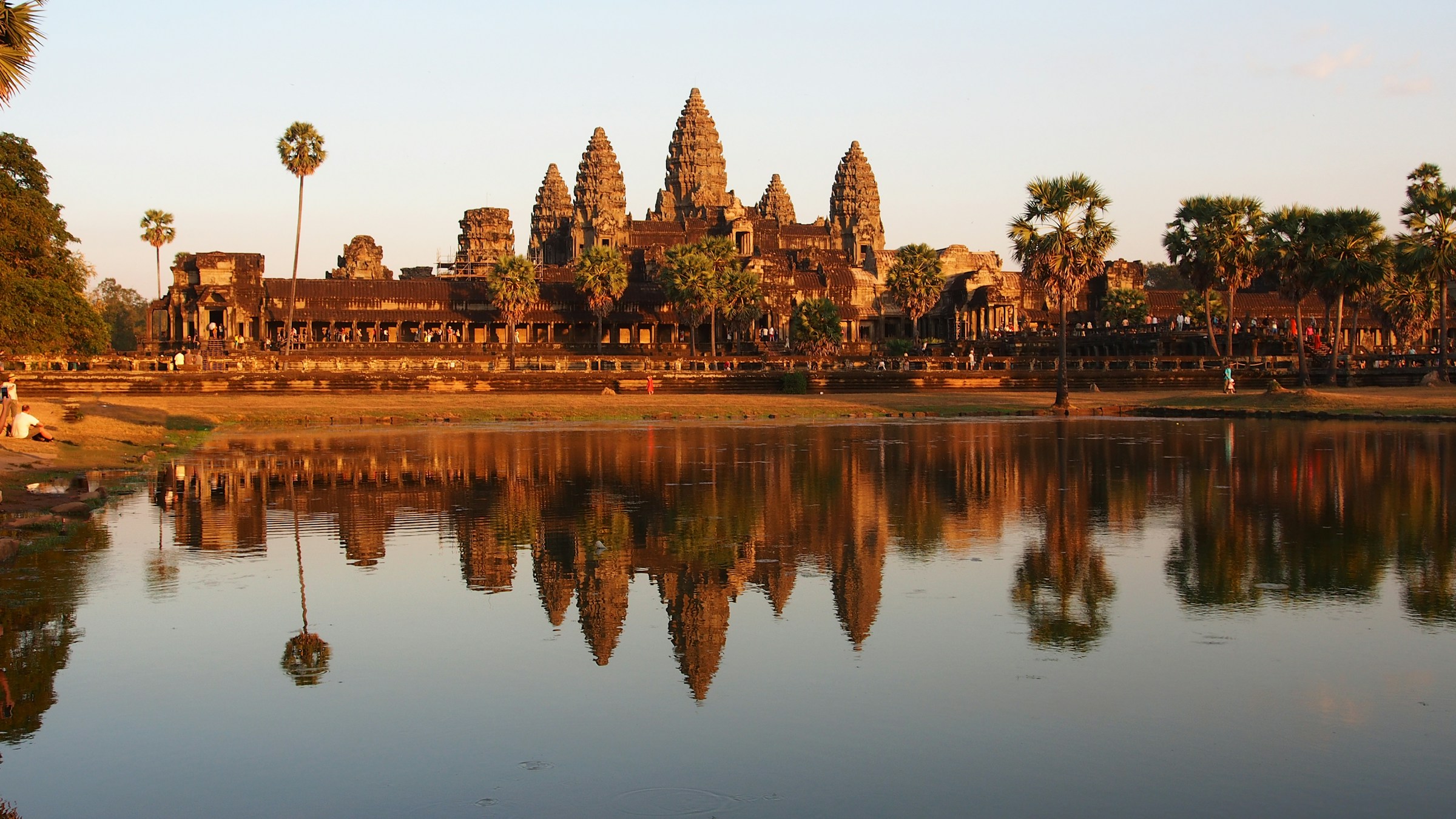
Angkor Archaeological Park extends across roughly 400 square kilometres and includes temples, ancient urban plans, reservoirs, canals and routes created across several centuries. Angkor Wat, Angkor Thom, Bayon and Ta Prohm are familiar landmarks, but they are parts of a much larger cultural landscape.
A longer visit allows you to separate the principal monuments from quieter sites and prevents the experience from becoming a race between photo stops. Check current passes and entry arrangements through Angkor Enterprise before setting out.
Spend time in the city itself
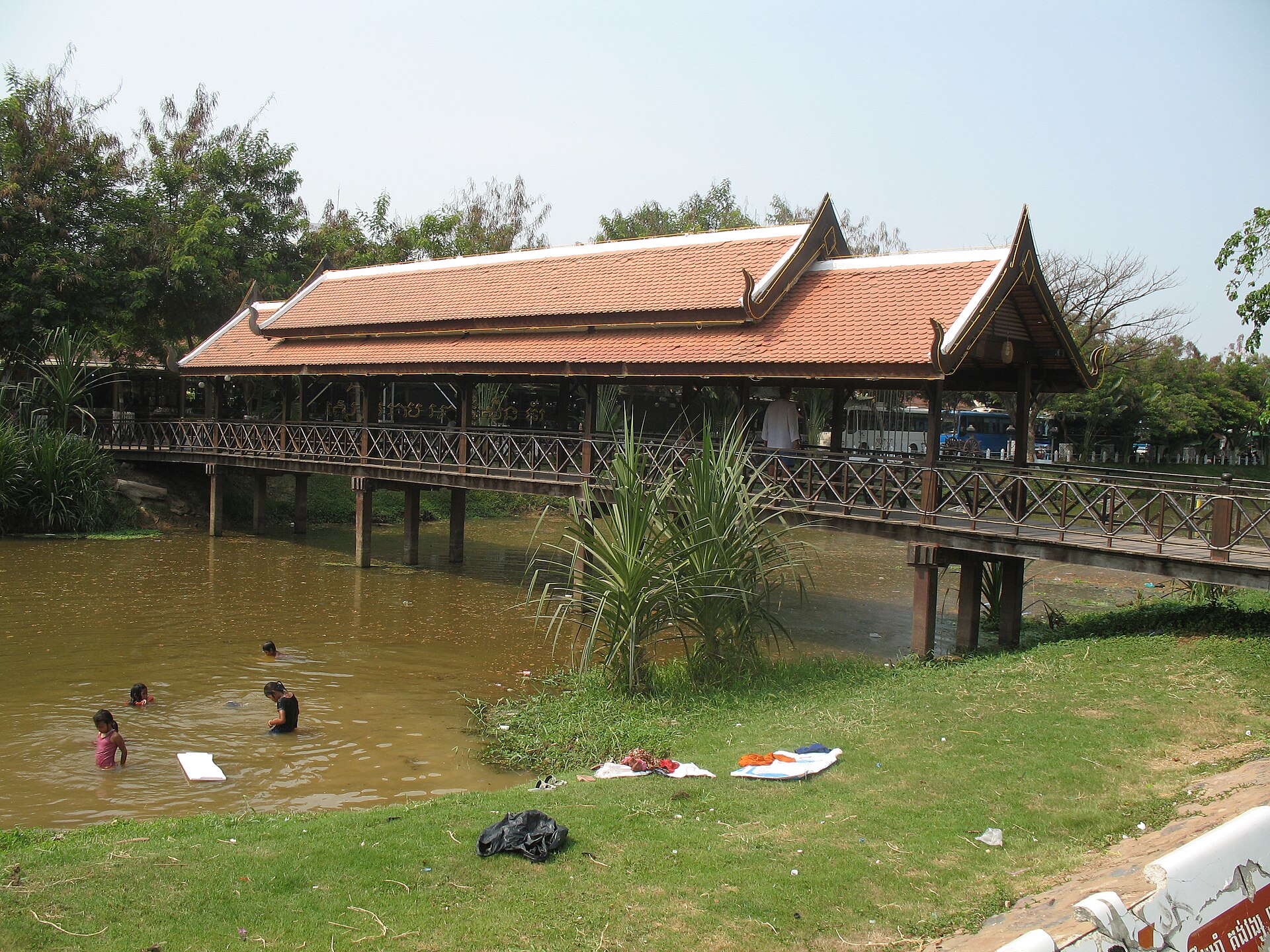
Walk beside the Siem Reap River, browse the Old Market area, and look beyond the busiest nightlife streets. The city’s appeal lies in its contrasts: old shopfronts and new cafés, neighborhood pagodas, workshops, gardens and a growing creative scene.
Markets are useful places to encounter ingredients, snacks and everyday rhythms, but visit with awareness that they are workplaces rather than staged attractions. Ask before photographing people at close range.
Explore Cambodian food and craft
Siem Reap is a good place to begin understanding Cambodian cuisine. Try everyday rice and noodle dishes, soups, grilled foods, fermented flavors, seasonal fruit and regional specialties rather than searching for a single “national dish.” Cooking classes and market visits can add context when they are led thoughtfully.
Craft workshops and social enterprises introduce weaving, stone and wood carving, lacquer, ceramics and contemporary design. Ask where materials come from and how makers are paid; a meaningful purchase should connect you with the work rather than only the souvenir.
Look beyond the main temple circuit
Banteay Srei, the Roluos group and the countryside between them offer different scales of architecture and landscape. Phnom Kulen adds forests, waterfalls and places sacred to Cambodian visitors. Tonlé Sap introduces a water-shaped environment whose appearance and daily life change with the seasons.
These are communities as well as destinations. Choose visits that respect residents, avoid intrusive photography, and do not turn poverty or children into attractions.
How many days to spend
Three days is a useful minimum: two days for Angkor and one for the city. Four or five days creates a more comfortable visit, with room for a countryside journey, food or craft experience, and time to rest during the hottest part of the day.
If archaeology is your main interest, allow additional days and vary major monuments with smaller sites. If Siem Reap is part of a longer Cambodian journey, resist compressing every temple into a single dawn-to-dusk circuit.
When to visit
November through February usually brings drier, relatively cooler conditions and the largest visitor numbers. March and April are generally hotter. The rainy season, broadly May through October, brings greener landscapes, fuller waterways and periodic heavy rain; showers often leave substantial parts of the day available.
There is no universally best month. Choose the drier season for easier scheduling, or the green season for lush scenery and a different atmosphere. At any time, start outdoor visits early, carry drinking water and build a midday pause into demanding days.
Getting there and around
Siem Reap–Angkor International Airport serves the region. Road connections link Siem Reap with Phnom Penh, Battambang and other Cambodian destinations. Services and journey times change, so confirm the current route directly with your chosen operator.
Within the city, walking works for central areas. Remorks, taxis and app-arranged vehicles are common for longer trips. Temple days require more planning because the archaeological park is extensive; a local driver or licensed guide can help shape a realistic route. Cycling can be rewarding for experienced riders, but heat, distance, traffic and limited lighting should be considered.
Visiting Angkor respectfully
Angkor remains a sacred place and a living cultural landscape. Wear clothing that covers shoulders and knees at sacred sites, keep voices low, follow signs, and do not touch carvings or climb unstable structures. Ask before photographing monks or worshippers.
Do not give money or sweets directly to children around visitor sites. Support established community organizations instead. Carry litter out, avoid buying antiquities, and remember that homes, farms and religious spaces continue to function within the wider Angkor region.
A balanced first visit
Begin with an early temple visit, but do not make sunrise compulsory. Spend the middle of the day resting, eating or visiting an indoor cultural space. Return to the park later, or explore the river and neighborhoods in softer afternoon light.
On another day, combine a smaller temple or countryside route with a workshop, market or food experience. Leave one unstructured evening. Siem Reap is most memorable when the schedule has room for more than monuments.
Useful planning notes
- Buy Angkor admission only through official Angkor Enterprise channels.
- Check the APSARA National Authority visitor information and code of conduct before visiting the park.
- Carry water, sun protection and footwear suitable for uneven stone.
- Keep temple routes realistic; distances and heat make rushed schedules tiring.
- Ask permission before photographing people, ceremonies or active places of worship.
- Confirm transport, opening times and admission details close to your visit because arrangements can change.
Featured image: Angkor Wat by Vicky T, via Unsplash.